Frequently Asked Questions About Wedding Mood Boards
What should a wedding mood board include?
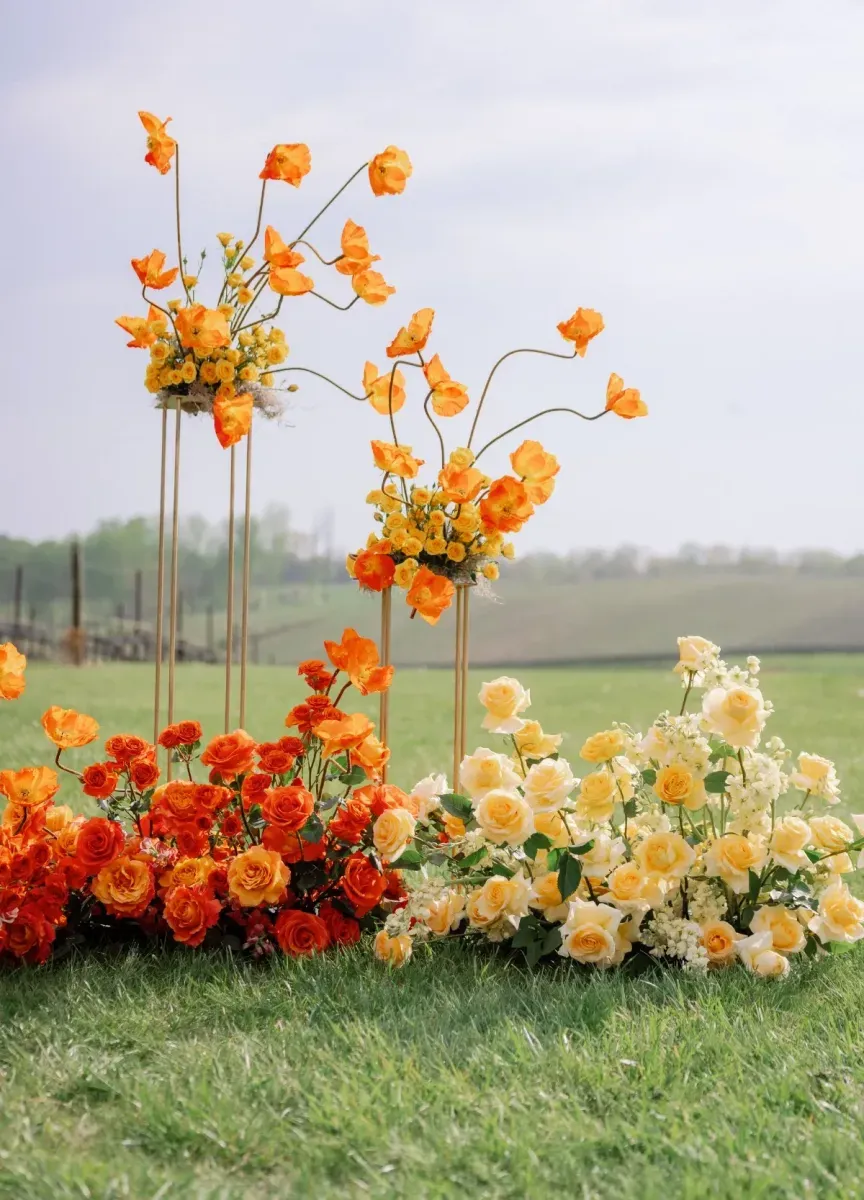
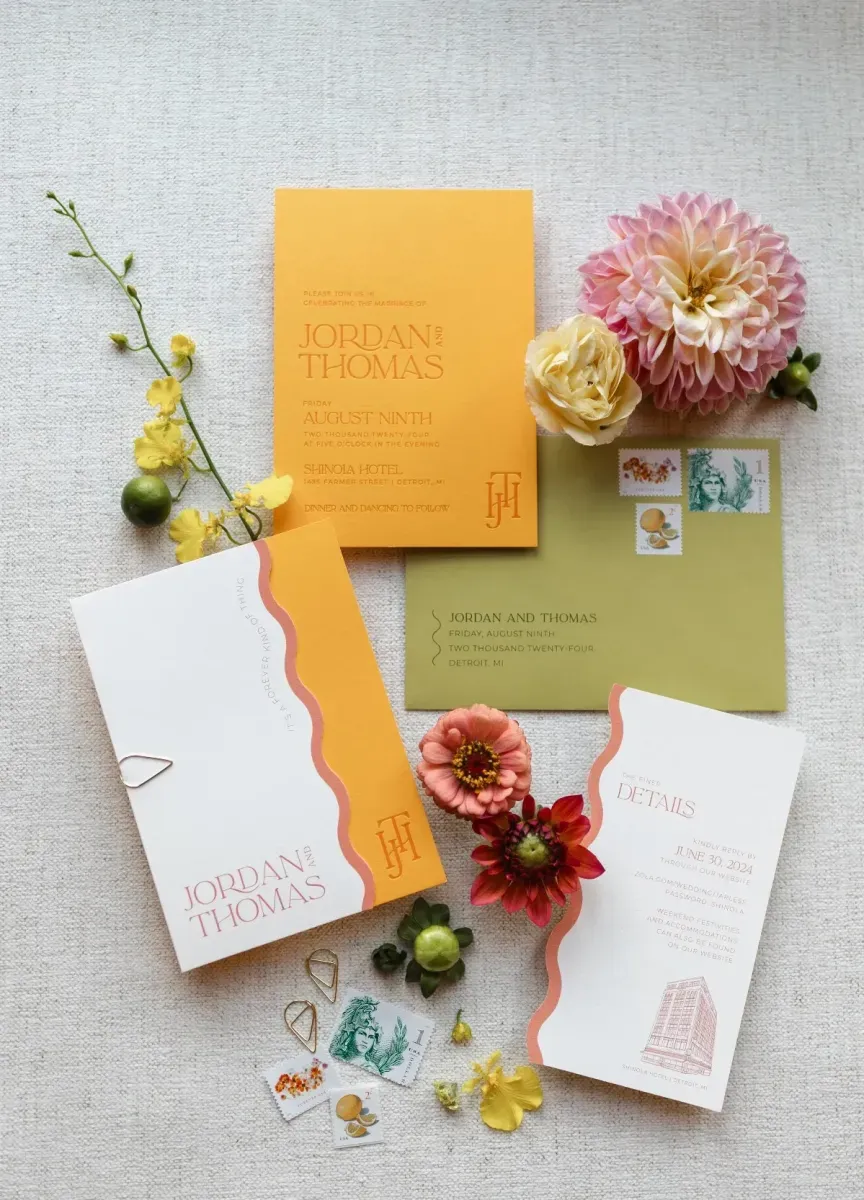
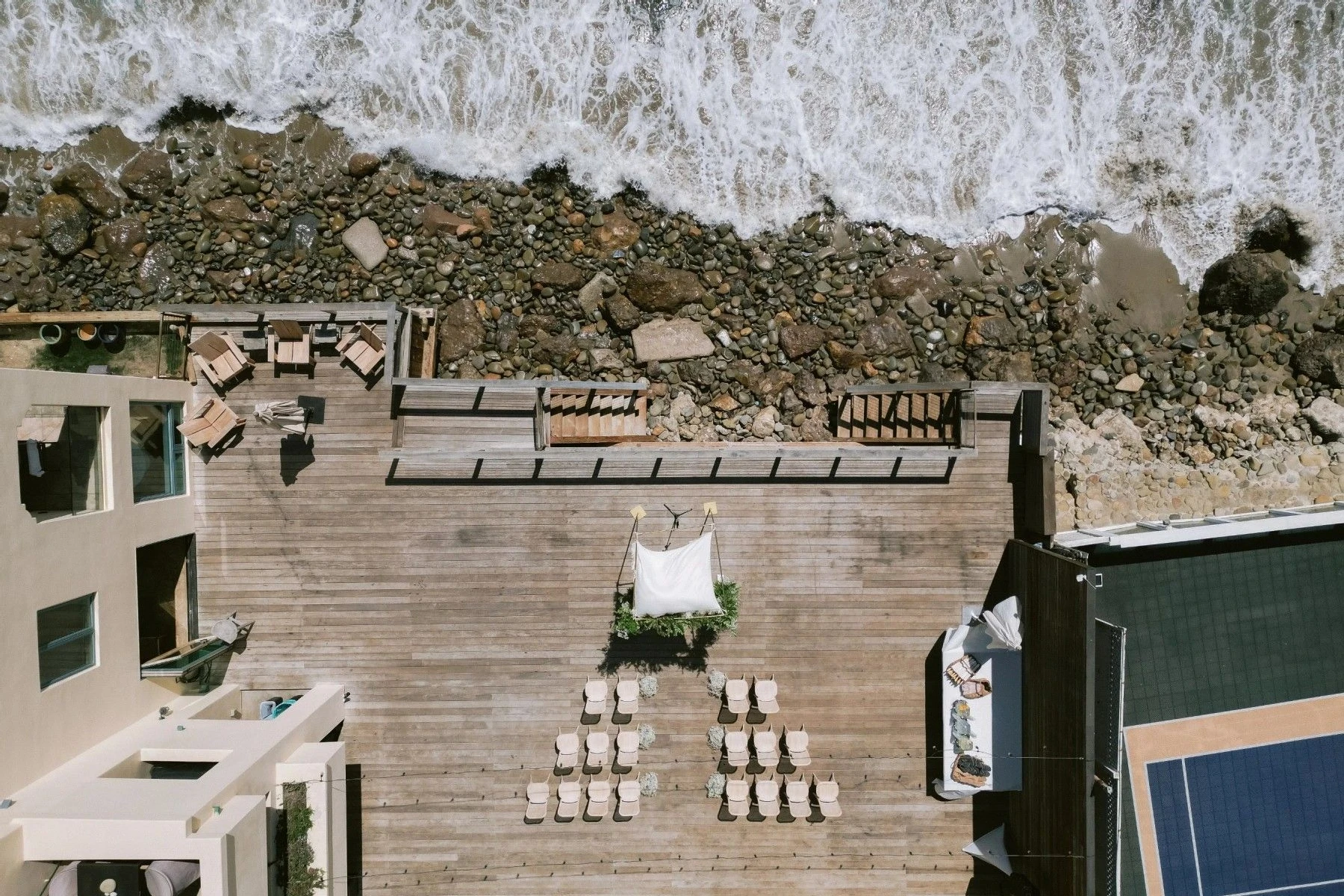
Start with the big five: venue imagery, color palette, floral style, attire references, and lighting or ambiance inspiration. From there, layer in details like stationery design, table settings, and even the type of photography you're drawn to. The goal is a single visual that communicates the full look and feel of your day—not just the colors.
When should I start making my wedding mood board?
As early as possible—ideally before you book vendors. A mood board gives your planner, florist, and photographer a shared reference point from day one, which means fewer miscommunications and revisions down the line. Even if your ideas evolve (and they will), having a starting point keeps everyone aligned.
Should I use Pinterest or a different tool for my wedding mood board?
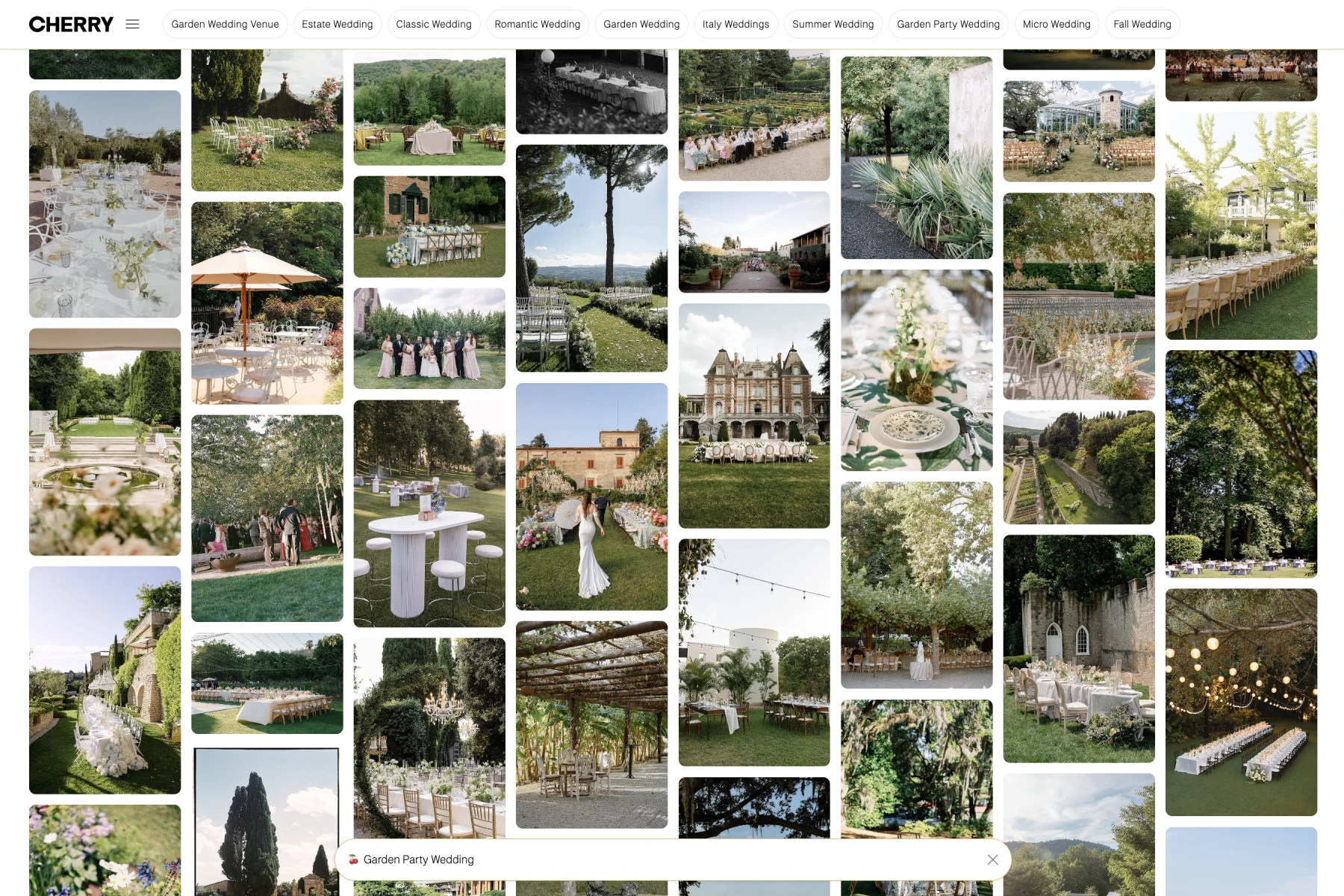
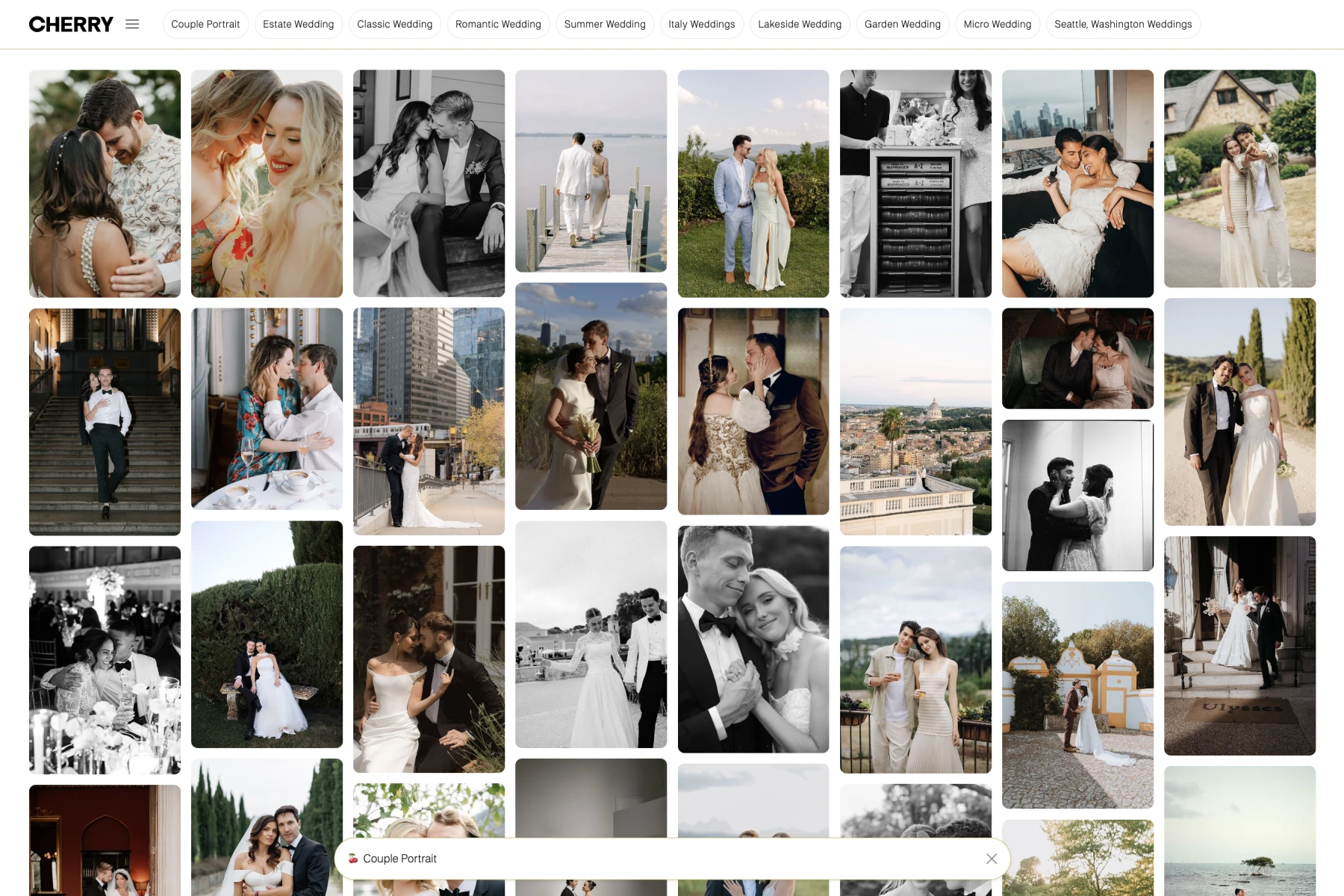
Pinterest is great for collecting broad inspiration, but it's not built specifically for weddings. Cherry lets you search real wedding photography by color, style, or vibe—and every image links directly to the vendors and details behind it. Canva works well if you want to design a polished, shareable layout. Most couples use a combination.
How many images should be on a wedding mood board?
Keep it focused: 15-25 images is the sweet spot. Too few and it won't communicate a clear vision to your vendors. Too many and the message gets diluted. Curate ruthlessly—if an image doesn't immediately feel like your wedding, cut it.
Can my wedding planner or florist create a mood board for me?
Many planners and floral designers build mood boards as part of their process after your initial consultation. If it's not included in their standard offering, ask to collaborate on one together. It's one of the most productive exercises you can do early in the planning process to make sure you're on the same page.
What's the difference between a mood board and a color palette?
A color palette is one component of a mood board. Your mood board goes further—it captures textures, spatial arrangements, lighting quality, floral density, formality level, and overall energy. Two weddings can share the exact same color palette and look completely different. The mood board captures why.
How do I share my wedding mood board with vendors?
Digital boards are easiest—share a link to your Cherry saves, Pinterest board, or a Canva PDF. If you've built a physical board, photograph it in good lighting and send it alongside any specific references or Pantone codes. The more specific you are about what you love in each image, the better your vendors can execute.
What if my partner and I have different aesthetics?
Build separate boards first, then compare. You'll almost always find overlapping themes—maybe you both gravitate toward warm lighting, organic textures, or clean lines even if your color preferences differ. Those shared elements become the foundation, and you compromise on the rest. It's one of the best exercises for getting aligned before vendor meetings.